Why Soft Skills Matter in a Technical Career (And How to Build Them)
27 Nov, 20255 minutes

Why Soft Skills Matter in a Technical Career (And How to Build Them)
Soft skills have always been important in technical careers. This is not new. At Hamilton Barnes, we have heard the same message from hiring managers for years. They want people who communicate well, work with others, and stay calm under pressure. These qualities have always shaped who succeeds in a team.
But something has changed.
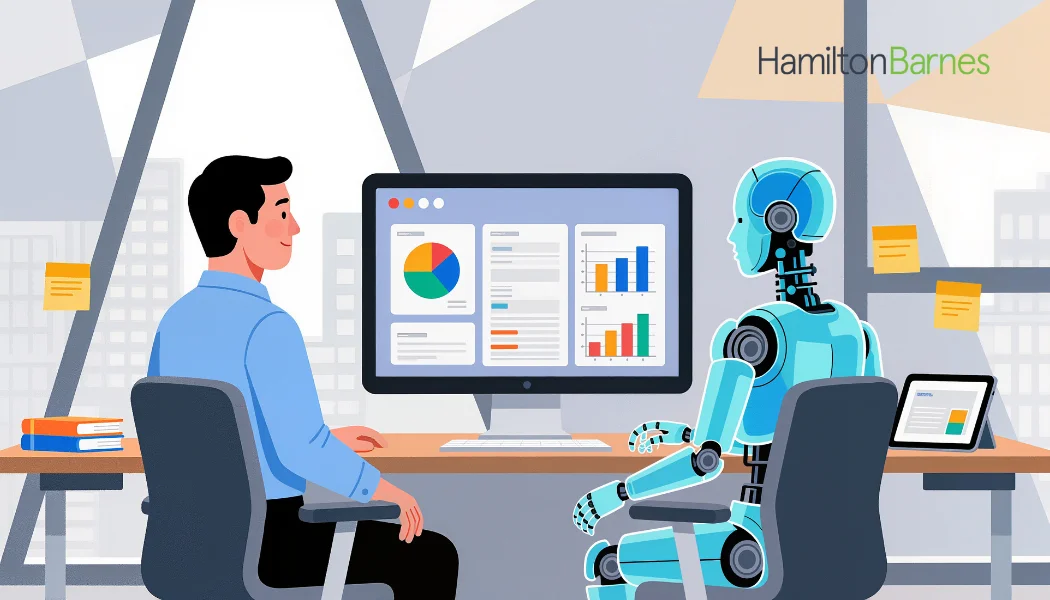
The advancement of AI has made soft skills even more valuable. AI can automate tasks and analyse data. It cannot replace human communication, empathy, or judgement. In our recent blog, “AI Isn’t Replacing Network Engineers”, we spoke about how AI is reshaping roles. It has increased the value of the human qualities that keep teams working well.
Soft skills matter now more than ever. They influence how you work, how you grow, and how others see you. Below, we explain what employers tell us, why these skills matter, and how you can build them.
Why Employers Value Soft Skills So Highly
At Hamilton Barnes, we speak to hiring managers across networking, cyber, telecoms, data centres, and satellite. Their expectations remain consistent. Soft skills are often the deciding factor, especially for graduates.
Soft skills shape how teams work
Technical ability is only one part of the role.
Managers hire people who can communicate clearly and support others. These qualities build trust. They help teams avoid conflict. They keep work moving.
Soft skills make incidents easier
Networks break. Users panic. Customers worry.
Employers want graduates who stay calm and communicate with clarity.
AI cannot guide someone through an outage. People can.
Soft skills protect internal and external relationships
Good communication is needed in every direction.
- Upwards to your manager.
- Across to colleagues.
- Downwards to junior staff.
- Externally to customers, vendors, and partner businesses.
People forget how much of a difference clear communication makes. It avoids mistakes. It strengthens relationships. It prevents confusion. It even reduces stress inside the team.
Graduates who can communicate well take pressure off everyone around them.
Soft skills drive long-term growth
- Technically strong graduates grow faster when they can also listen, ask good questions, and work well with others.
- Employers know this. It is why they place so much value on soft skills.
Soft skills reduce risk
- Clear communication and organisation lower the chance of avoidable problems.
- Managers trust people who document clearly, share updates, and follow process.
Soft skills matter even more as AI evolves
- AI can help fix issues. It cannot build relationships, handle conflict, or guide customers.
- As AI takes on more tasks, human skills become the differentiator.
The Soft Skills Employers Ask For Most
Communication
- Clear explanation. Active listening. Calm tone.
- Communication is needed everywhere. In your team, across the business, and with customers.
Teamwork
- You must work well with engineers, project teams, and support staff.
Structured problem solving
- Thinking step by step. Staying composed. Avoiding guesses.
Adaptability
- Being open to new tools and ideas. Handling change with confidence.
Professionalism
- Being polite. Being organised. Taking ownership.
How To Show These Skills During Interviews
Use honest, simple stories
- Share examples from university, societies, part-time work, or volunteering.
Explain your reasoning out loud
- This shows structure, clarity, and confidence.
Show that you listen
- Pause before answering. Clarify if needed.
Ask thoughtful questions
- This shows curiosity and professionalism.
Keep your tone steady
- Your calmness tells employers how you will handle pressure.
How To Build Soft Skills Before You Graduate
- Join group projects or societies
- Take on roles that require responsibility
- Practise explaining networking concepts to non-technical friends
- Join study groups or peer sessions
- Build personal labs to improve problem solving
- Ask for feedback
- Practise staying calm when things go wrong
These habits strengthen your communication, confidence, and teamwork.
How Hamilton Barnes Can Help
Our recruiters support you through every stage of your job search.
We do more than find roles. We help you prepare for them.
We offer:
- Interview preparation
- Mock interview sessions
- Real scenario practice
- Communication coaching
- Guidance on how to explain your technical thinking
- Support to help you stay calm and confident
Our goal is to help you walk into every interview prepared, clear, and ready to show your strengths.
FAQs
Do soft skills matter more than technical skills?
- For many employers, yes. Technical skills can be taught quickly. Soft skills take longer to build and are often a stronger predictor of long-term success.
Can I get hired if I have average technical skills but strong soft skills?
- Yes. We see this often. Employers choose graduates with strong communication and teamwork over those with better technical skills but weak people skills.
How do I show soft skills with no industry experience?
- Use stories from university projects, societies, sports, or part-time work. Focus on times you communicated clearly, solved a conflict, or supported others.
Does AI reduce the need for soft skills?
- No. It increases it. AI handles tasks. Humans handle people. Communication, empathy, and teamwork remain essential.
Can Hamilton Barnes help me improve my interview communication?
- Yes. We offer coaching, scenario rehearsal, and structured interview practice. This helps you communicate clearly and confidently.